
The Wrong Fit
Jenna Nighswonger and why some signings just don't work out.

8 February 2025. My friend, pictured by yours truly outside Emirates Stadium, proudly holding up his Jenna Nighswonger No. 22 shirt (Nighs W Onger if we’re being honest about the terrible printing job the armoury did that day). I’m sure he won’t mind me cutting his head out of the picture for the sole purpose of setting the scene!
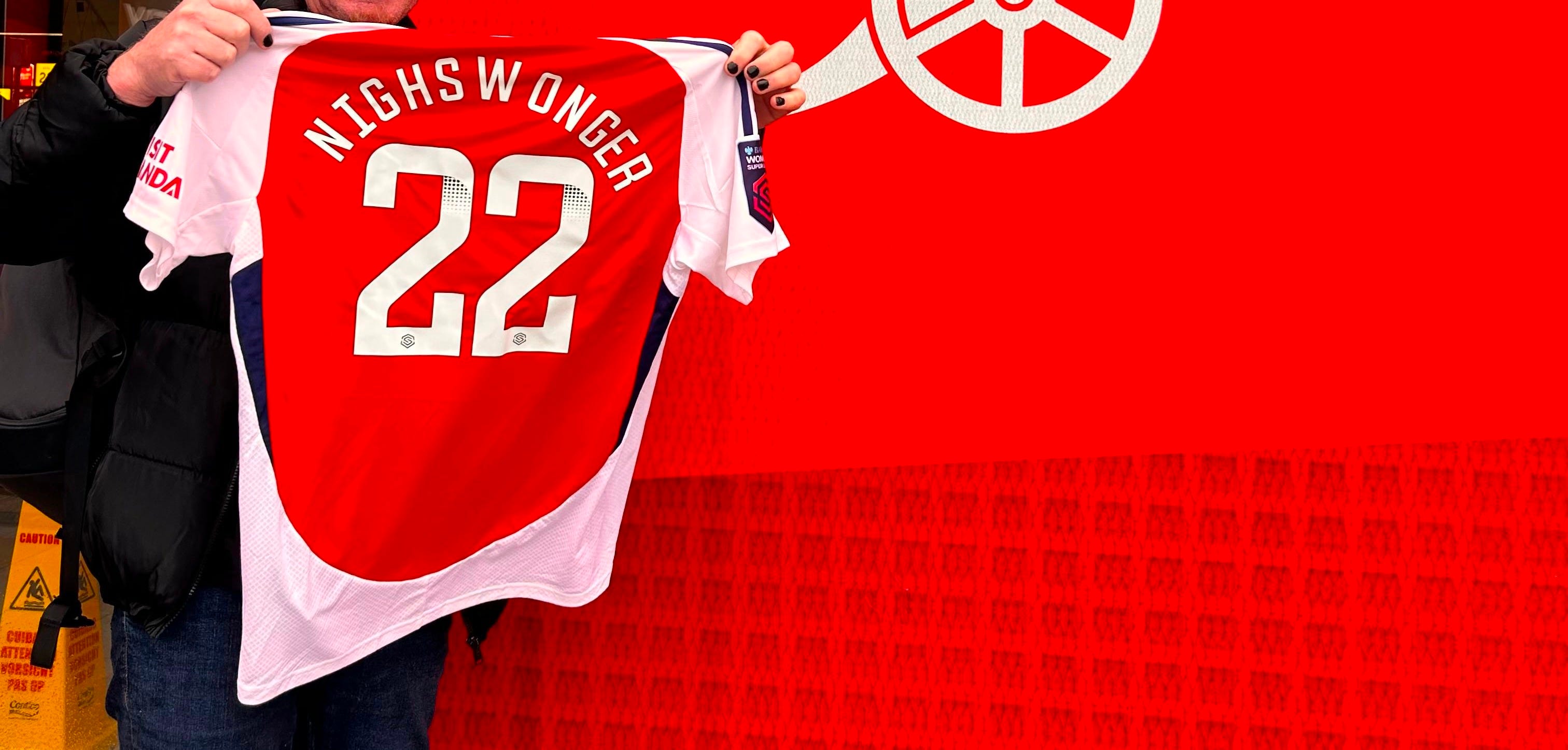
Shortly before this picture was taken, we’d been together when the transfer rumours first started circulating. With no disrespect intended towards Jenna, I raised an eyebrow, stared at the name on my screen and asked: “Who’s that?”. I did my usual research, nothing too formal, just a few YouTube highlight reels. I let the experts who regularly watch the NWSL do the talking and I can’t lie, I was quite excited.
Nighswonger looked like a player with heaps of talent, while Arsenal were in need of reinforcements at full-back. A year earlier, Arsenal had signed Emily Fox, who set the standard for what a full-back arriving from the NWSL could offer in the WSL. As it turned out, though, Fox was less the standard and more the ceiling. It’s worth remembering that when the Nighswonger rumours began and the deal was eventually confirmed, Arsenal signings were few and far between, a stark contrast to the influx we’ve seen more recently. The only other signing in that January transfer window was Chloe Kelly, joining on loan from Manchester City.
Arsenal appeared to sign Jenna Nighswonger to provide depth at full-back. Katie McCabe and Steph Catley were their main options on the left, although Catley was increasingly being used at centre-back. There’s no doubt Arsenal knew they were signing an attack-minded full-back, one who had only been converted to the position by a former manager at her previous club. She was good at progressing the ball and contributing in the final third, and despite being young, had won an NWSL Championship and been named NWSL Rookie of the Year. A highly rated US international who could bring creativity for a fee of just $100,000 seemed like a no-brainer.
For all the discussion about what she could offer, there was one overriding concern from the start. An attack-minded player operating at full-back in the WSL still needed strong defensive qualities, and that had never really been a major part of Nighswonger’s game. Perhaps Arsenal believed they could develop that side of her game, but expecting improvement without ever really giving her the opportunity to show it felt somewhat cruel. She made just six competitive appearances for Arsenal: five in the WSL and one in the FA Cup. Five came during the second half of the 2024/25 season, followed by just one more in 2025/26 before she joined Aston Villa on loan. Her only Arsenal start came on her debut against London City Lionesses in the FA Cup. It’s hardly a bold statement to say her role was exceptionally limited.
As is so often the case in football, neither players nor clubs tend to offer a detailed explanation when they part ways. The reasons are usually left unspoken, although there are, of course, exceptions. It doesn’t take a genius to work out why Jenna Nighswonger needed a move this summer; her route to regular football at Arsenal was almost non-existent. When Aston Villa chose not to activate their option to buy, I expected her to make the move back to the NWSL. A return to a league she knows, where she should have the opportunity to play consistently and hopefully earn a USWNT recall, feels like a no-brainer.
The transfer to Arsenal never worked out as either side would have hoped, leaving Jenna Nighswonger with little choice but to look elsewhere for regular minutes.
Nighswonger’s time at Arsenal is just one example of a much wider question: what stops a transfer that makes sense on paper from working on the pitch?
There’s no one answer, but the same reasons tend to crop up again and again.
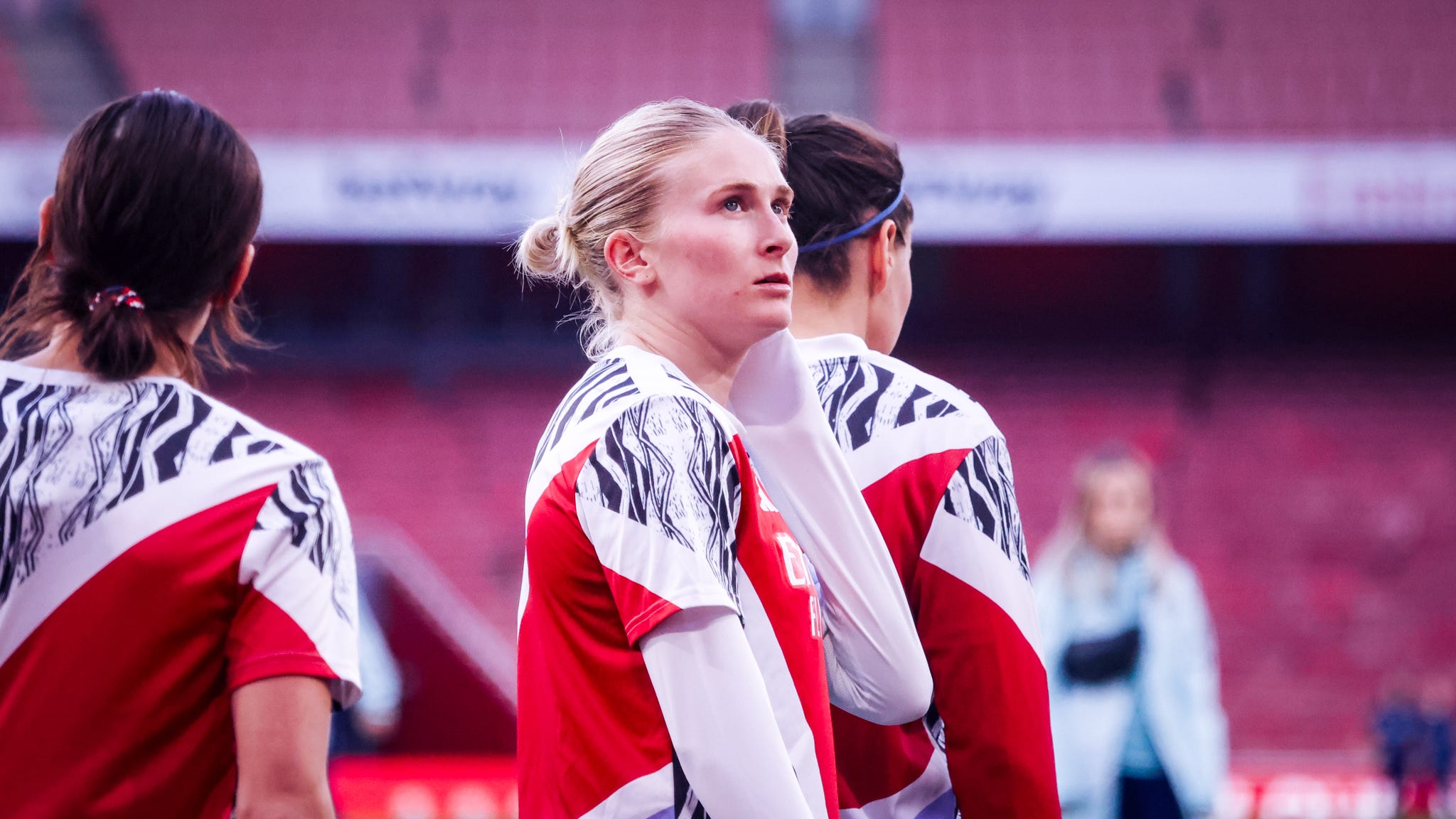
Caught in the Wrong System
I couldn’t start with any of these sections and say ‘the first and most obvious’, because the truth is that any of them can be the cause of, or a contributing factor in, a signing not working out.
When I think about Jenna Nighswonger’s situation, I lean towards ‘caught in the wrong system’ as one of the key factors in, firstly, why she didn’t play and, secondly, why she had to move somewhere better suited to her game.
When a player signs, the manager will likely have some say in the decision. In my eyes, they should have the majority say. I don’t think that is always the case when there is a hierarchy above them with its own ideas about where to spend the money. Although the manager then has to come out and say how much they’re looking forward to working with the player, you can’t help but wonder how often that is more for PR than anything else.
I sit on the fence when it comes to whether Renée Slegers really wanted Jenna Nighswonger. Part of me thinks she must have known that the defensive side of her game was not her strongest and that she would naturally struggle at full-back. She didn’t really fit when she was used in midfield, either.
Did Slegers envision using her in a way that would avoid exposing her defensive limitations? Did she believe that side of her game could improve over time? Or was Nighswonger simply an available option in a position Arsenal needed to reinforce?
I lean towards the latter, but I’m also not Renée Slegers, so take that as nothing more than my opinion.
There’s also the fact that managers come and go. A player can sign for a manager who wants to play a certain way, only for them to leave and be replaced by someone with a completely different style. Suddenly, that player finds themselves in an awkward position.
A player can have all the talent in the world, but talent alone cannot create a place for them in a system that does not suit them.
Overloaded Position
When a player does have the potential to suit the system but finds themselves behind better options, you get the ‘overloaded position’ dilemma. It’s the ‘my steak is too buttery’ problem of the football world: a manager has too many good options in one position, someone inevitably falls down the pecking order and their game time becomes extremely limited.
You’d probably question why clubs, recruitment teams and managers allow this to happen, but it often comes as a consequence of trying to build strong squad depth. Tip the pendulum too far one way and you end up bringing in so many players alongside the ones already there that there simply aren’t enough minutes to go around.
A player can be left on the bench because they aren’t what a particular game requires, or because they’ve been brought in largely to fill out the squad. It has even reached the point where players cannot make the matchday squad because there aren’t enough seats on the bench (metaphorically, I think, but also…literally?)
If we’re ranking the reasons why a signing doesn’t work out, I don’t think this comes anywhere near the worst. Trying to build squad depth, managing players returning from injury or bringing someone in to fill a gap, do their job and move on is hardly a crime in football.
Good squad building will always leave someone on the outside looking in.
Managerial Tension
Have you ever found yourself frustrated at a manager, maybe even one from another club, for constantly overlooking the obvious choice on the bench? A player who looks like the answer to all their problems but is somehow still ignored? No? Just me, then.
I’d like to think every manager gets along with all their players, maintains a level of professionalism, has no favourites and picks their team purely based on what each game requires. But I’m also a realist.
Sometimes, for one reason or another, a player falls out of favour with the manager and tensions build. I’ll leave an article below without further comment. You’ll soon know exactly what I mean.
There’s two sides to every story, nonetheless, but when tensions get beyond repair it leaves a player no choice but to seek a move elsewhere. That move might lead to the best football of their career, and they may feel so hard done by their previous manager that they occasionally feel the need to make a few digs.
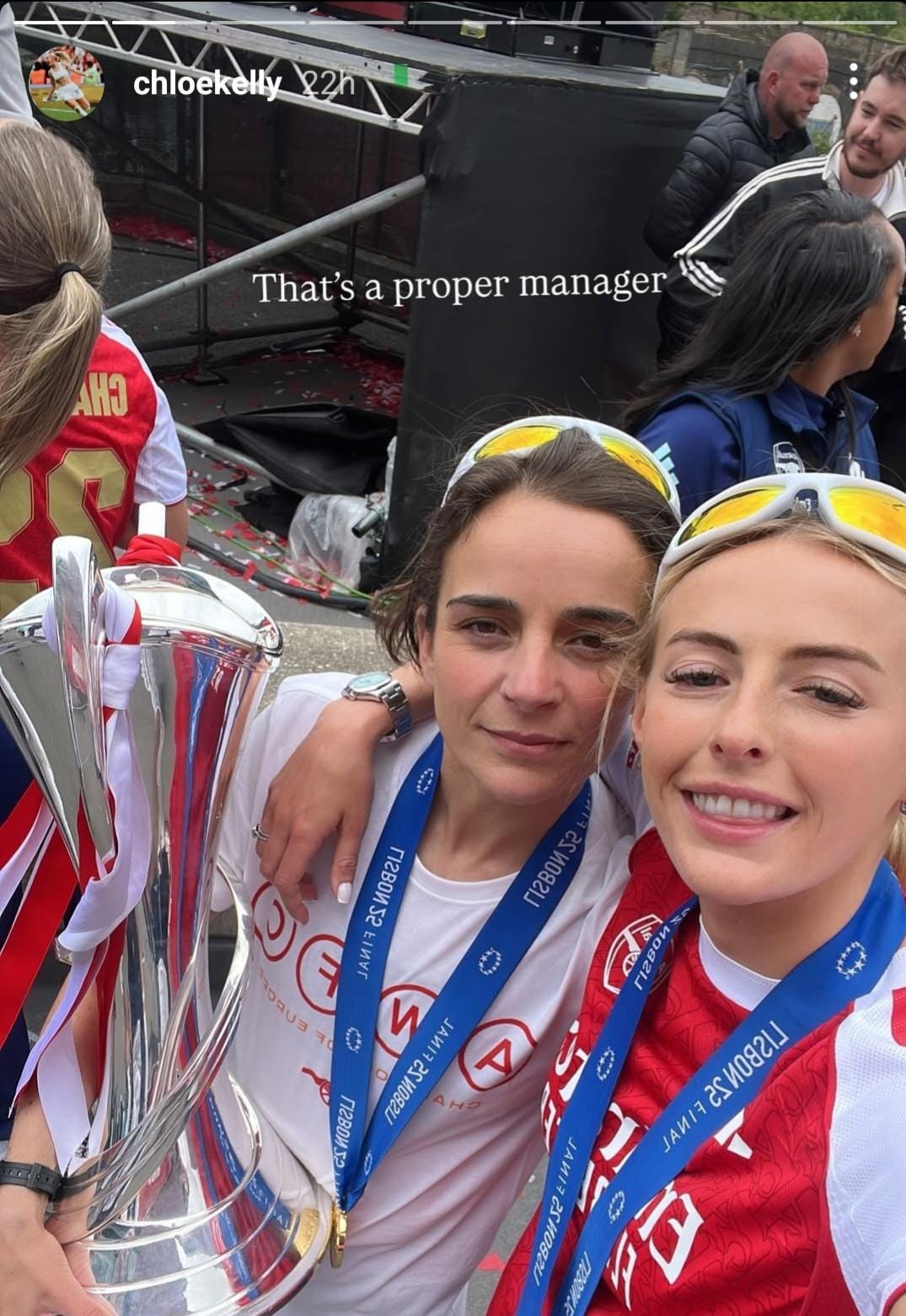
Whatever you think of endings like these, they happen, and they can be a major reason why things simply don’t work out for a player at a particular club.
Sometimes, the relationship between a player and manager reaches a point of no return, and moving on becomes the only option.
Injuries
A player in their prime, playing the best football of their career at the club of their dreams. One ACL injury, and everything changes overnight.
Injuries, especially serious or recurring ones, are among the most heartbreaking reasons a transfer doesn’t work out. The toughest part is that there’s often no one to blame. The player gets injured through no fault of their own, but while they’re absent, the manager has to find a replacement. Someone from the existing squad steps up, or a new signing arrives and hits the ground running.
The injured player never quite reclaims their place. They might not look like the same player they were before, leaving them stuck chasing a version of themselves that no longer exists and lose confidence in the process. It’s cruel and, unfortunately, happens far too often, especially in women’s football.
There isn’t always a comeback story waiting at the end of the recovery.
The Weight of Expectation
I’ve actually touched on this in my upcoming piece on Arsenal’s new signings, including 19-year-old Lisa Baum, who arrives with a hefty £500,000 price tag. I drew comparisons with a young Olivia Smith, who arrived for £1 million, and the weight of expectation placed on young players when they sign for such significant fees.
It would be easy for me to sit here and say they should just ‘ignore it’ and ‘focus on the football’, but I’d be naive to think the fee doesn’t cross their mind, or the minds of those at the club. There’s an immediate need to impress and avoid being labelled a ‘waste of money’, which can lead to a player becoming overeager and overcompensating. Without even realising it, they start trying to do too much to prove they were worth the price, when all anyone really wants is for them to play their best football and continue developing.
What’s that old saying…pressure is a privilege?
I wonder how much a player who arrived for a significant fee, gave everything and still had to leave because it didn’t work out would agree with that.
Home Sickness
Did I include this section just so I could mention Rafaelle? Of course not. I included it because I genuinely think this is a forgotten factor.
I hesitate to say this is a reason why a signing ‘doesn’t work out’, because a player leaving earlier than the fanbase, or perhaps even the club, expected does not necessarily make the move unsuccessful. I’ll use Rafaelle as the obvious example, partly because of how much I admired her during her short spell at Arsenal, equally for the fact she left way too soon.
Short but significant is the best way to describe her time at Arsenal. She made 35 appearances, scored four goals, and after joining in January 2022 established herself as one of the team’s strongest centre-backs. Even now, Arsenal seem to search for elements of her profile in every centre-back they consider: her physicality, composure and experience were difficult to replace. The partnership she formed with Leah Williamson was also key during her time at the club. I’m surely not the only fan who formed that emotional connection with her and still looks back on those 18 months at Arsenal from time to time, wondering what might have been.
There was no suggestion Rafaelle left Arsenal because of issues at the club. When she left it felt emotional but positive, so it appears to have just been primarily a personal and lifestyle decision. Speaking after joining Orlando Pride, Rafaelle even explained how she wanted to be closer to both her family and the Brazilian community.
“Arsenal have given me everything, but for personal reasons I need something different in my life now.” - Rafaelle’s message to Arsenal supporters following her departure
She’s a prime example of how a move can end without anything necessarily going wrong. Sometimes, there are things that matter more than football.
Do we always need to read into every decision a club makes, or can we accept that, whether because of one factor or several, things simply don’t work out?
Not every failed transfer needs a villain.
In other news, I’m about halfway through my transfer window piece, which I’m going to publish before the pre-season games begin. I’ve gone into detail on each signing, how they fit into the broader blueprint for Renée Slegers’ Arsenal and what she and the club are trying to build.
I look forward to sharing it with you very soon.
Superb article. In any profession a signing/hiring can fail for one or multiple reasons.
The Nighswonger signing failed, in my opinion, because Renee was excluded from full participation in the recruiting process. Nighswonger doesn’t fit Renee’s preference for versatility leading me to speculate that Renee wasn’t consulted.
Additionally, Villa not exercising the option to purchase speaks to Nighswonger’s limitations on the pitch.
I hope she finds the playing time at Bay FC and is called up to the USA national team. And I wonder if she had any discussions with Emma Hayes about going back to the NWSL.
Looking forward to the transfer window article. Also interested in your thoughts on who else may go out on loan.
Excellent piece with great depth and nuance. Your point that failed transfers do not always need a villain is particularly important; fans often try to create one to fit their preferred narrative. One additional factor in Nighswonger’s case was that she arrived as cover—or competition—for Katie McCabe during arguably the best season of McCabe’s career. She was fit, played virtually every available minute and was almost impossible to displace. That made opportunities scarce, but when Nighswonger did play, she never quite showed enough conviction to earn greater trust. Smilla Holmberg offers an interesting contrast: despite competing with the equally reliable Emily Fox, she has shown enough attacking promise and versatility to contribute further forward. Sometimes a player is caught in the wrong system, but they must also make a convincing case in the limited opportunities they receive.